Gallery/Album: SIBS 2023 Camden
From Workshop: SIBS 2023 Camden
Photos from the SIBS 2023 Workshop in Camden
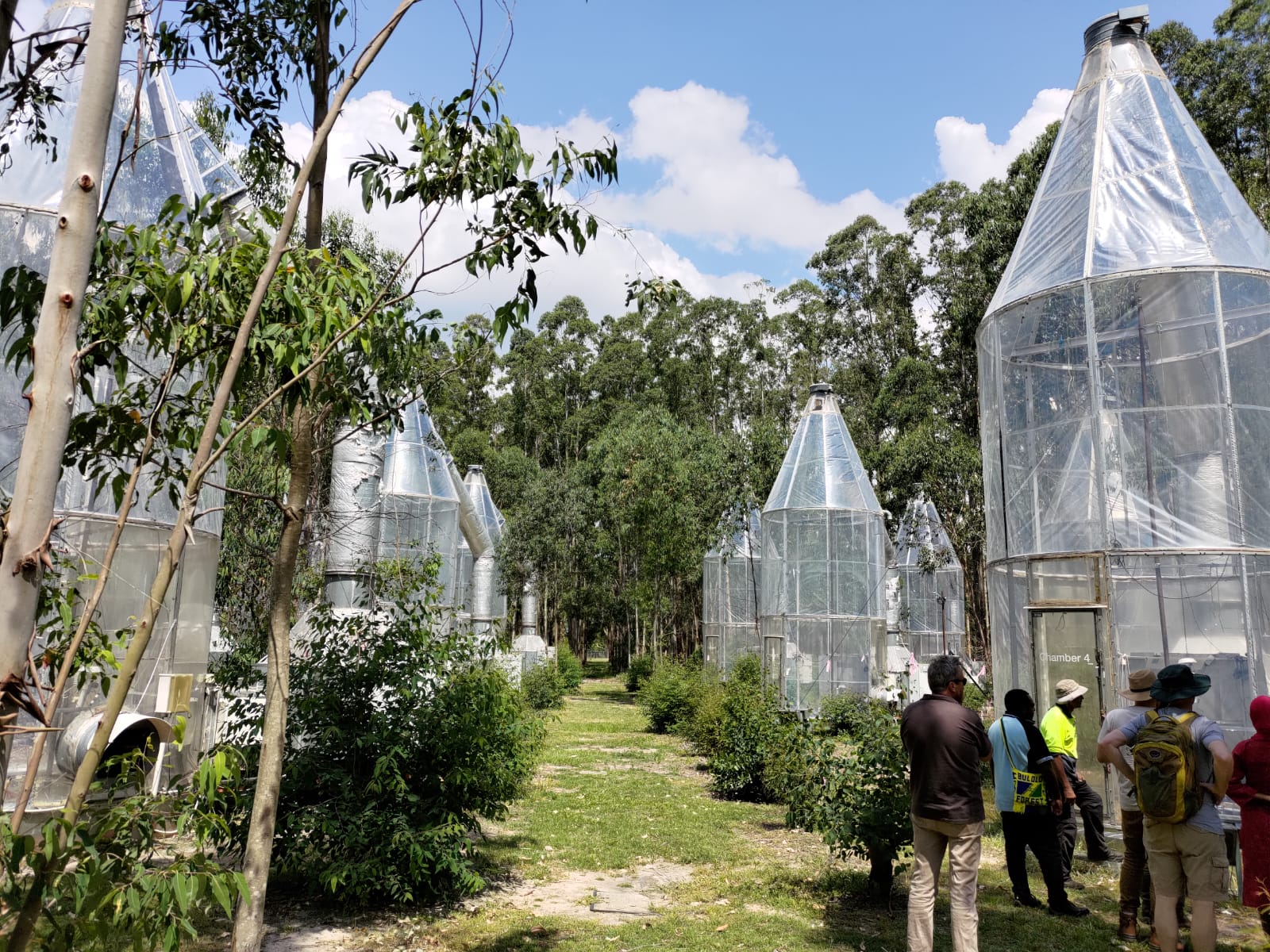
EucFACE Expedition
Description
Get Involved
Passionate about Stable Isotopes?
Testimonials
Our Original SIBS Logo
Our very first SIBS logo, designed for the 2013 workshop in Camden – a symbol of more than a decade of passion and dedication to sharing the science and techniques of stable isotopes with students and professionals worldwide.
This workshop significantly enhanced my understanding of stable isotopes and provided valuable opportunities to engage with experts and peers working across diverse research areas. I was grateful to meet knowledgeable and supportive presenters. The program also deepened my understanding of how my samples were analysed and how to interpret the results. The notes and insights I gained will be useful for my future research, wherever it may lead. I highly recommend this workshop to anyone interested in SIs.
by Melanesia Boseren, Attendee — SIBS 2026 Camden
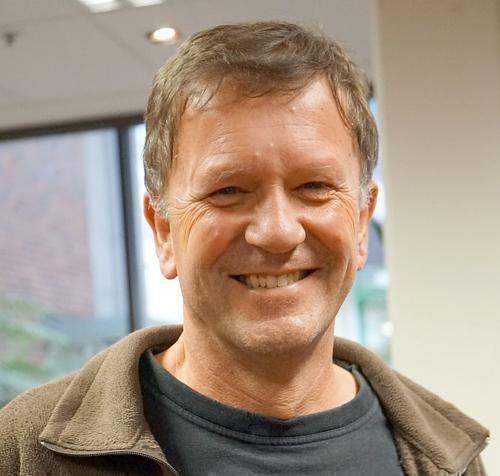
We've been running these workshops for more than a decade and although they've changed over time and depending on the venue, they've all been a real success. People have enjoyed them, learnt a fair bit about isotopes and learned to incorporate stable isotopes in their work. I keep meeting researchers who have attended these teaching workshops and stayed in the field. By imprisoning a tight group of students and teachers together for a week, the maximum amount of knowledge has diffused between them, as well as them all having a fair bit of fun.
by Hilary Stuart-Williams, Organiser
SIBS was such an important learning experience! Building a background in isotopes science is something I have wanted and needed for my career, but it's not something that's widely taught in Ecology; there just aren't any courses in most undergraduate or Master's degrees. What makes SIBS so unique is having over a week where everyone - attendees, instructors, organizers - are entirely focused on isotopes, so you can make those big knowledge gains and come up with new ideas in such a short time. As an added bonus, the people are all amazing and are building such a robust professional community!
by Lauren Hitt, Attendee — SIBS 2026 Camden
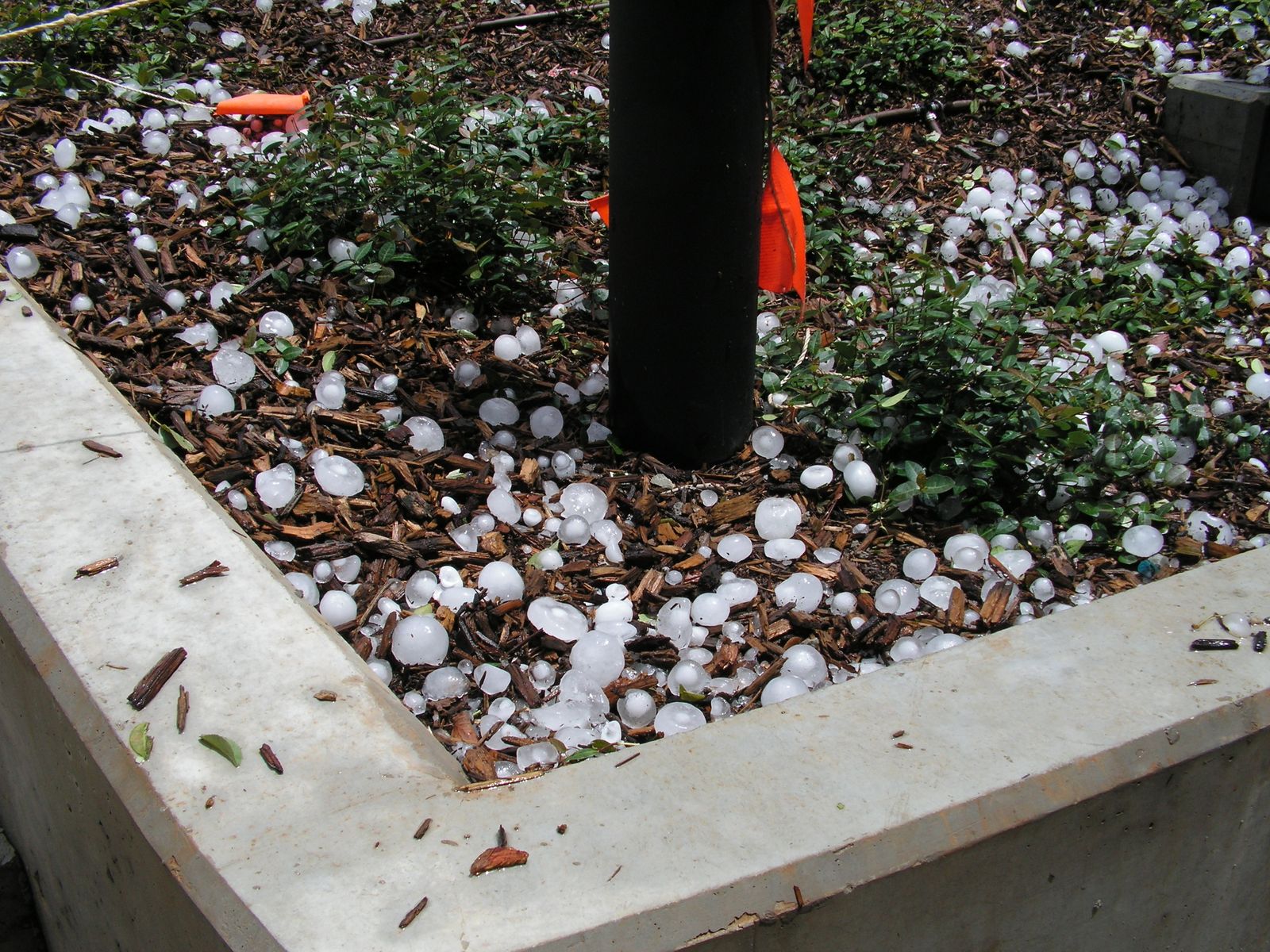
Chasing the Storm
During SIBS 2020, a surprise hailstorm hit Canberra with golf ball–sized hail. Instead of running for cover, we grabbed our vials! Soon we were sampling hailstones to analyse how isotope ratios vary from surface to core — pure scientific curiosity in action!