Gallery/Album: SIBS 2020 Canberra
From Workshop: SIBS 2020 Canberra
Photos from the SIBS 2020 Workshop in Canberra
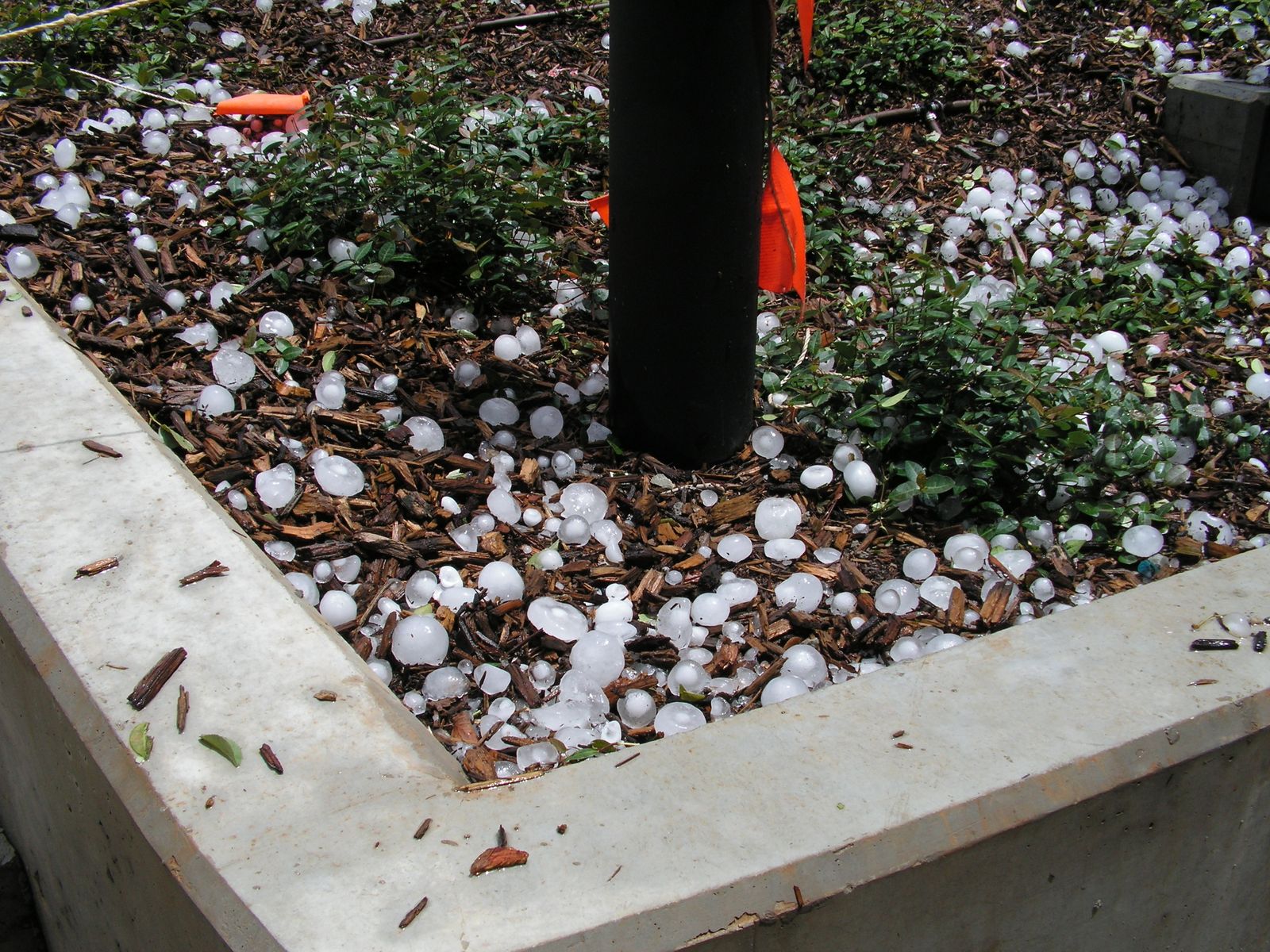
Chasing the Storm
Description
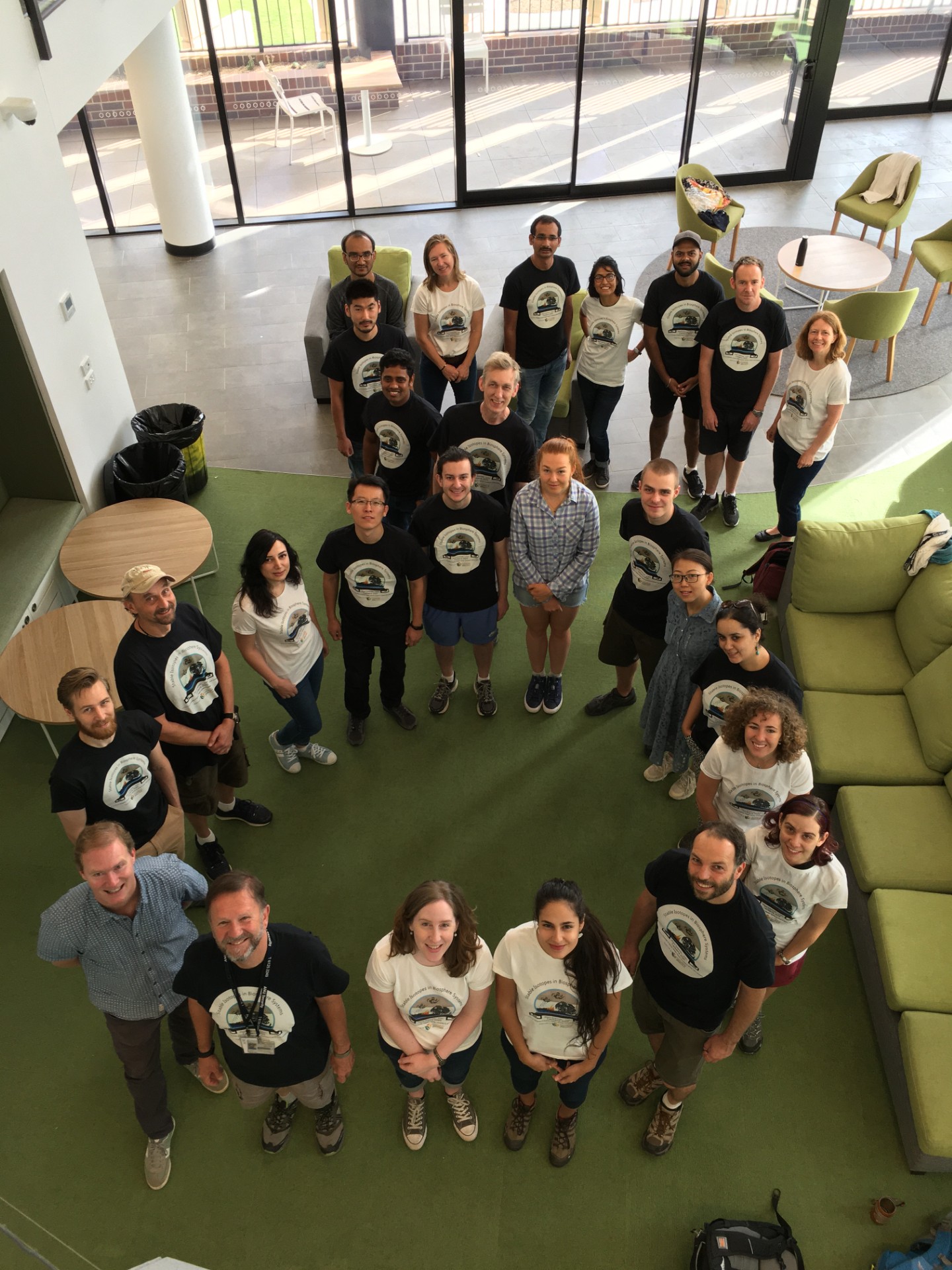
Delta Team
Description
Get Involved
Passionate about Stable Isotopes?
Testimonials

SIBS was such an important learning experience! Building a background in isotopes science is something I have wanted and needed for my career, but it's not something that's widely taught in Ecology; there just aren't any courses in most undergraduate or Master's degrees. What makes SIBS so unique is having over a week where everyone - attendees, instructors, organizers - are entirely focused on isotopes, so you can make those big knowledge gains and come up with new ideas in such a short time. As an added bonus, the people are all amazing and are building such a robust professional community!
by Lauren Hitt, Attendee — SIBS 2026 Camden

When I attended the first SIBS workshop in 2013, I did this mostly out of interest. It turned out that the workshop itself was not only much more fun than I could have imagined but the skills I learned also shaped my research direction over the following years. Once I got my hands dirty with working with isotopes, I started contributing to SIBS as an instructor. Now stable isotopes are a core technique we use in my lab to study mesophyll conductance in leaves - and it all started at SIBS!
by Florian Busch, Instructor
Delta Team
In this photo from the 2020 SIBS workshop in Canberra, students and mentors teamed up to form the iconic delta symbol – the classic mark of isotopic ratios. A perfect snapshot of the creativity and camaraderie that define SIBS!
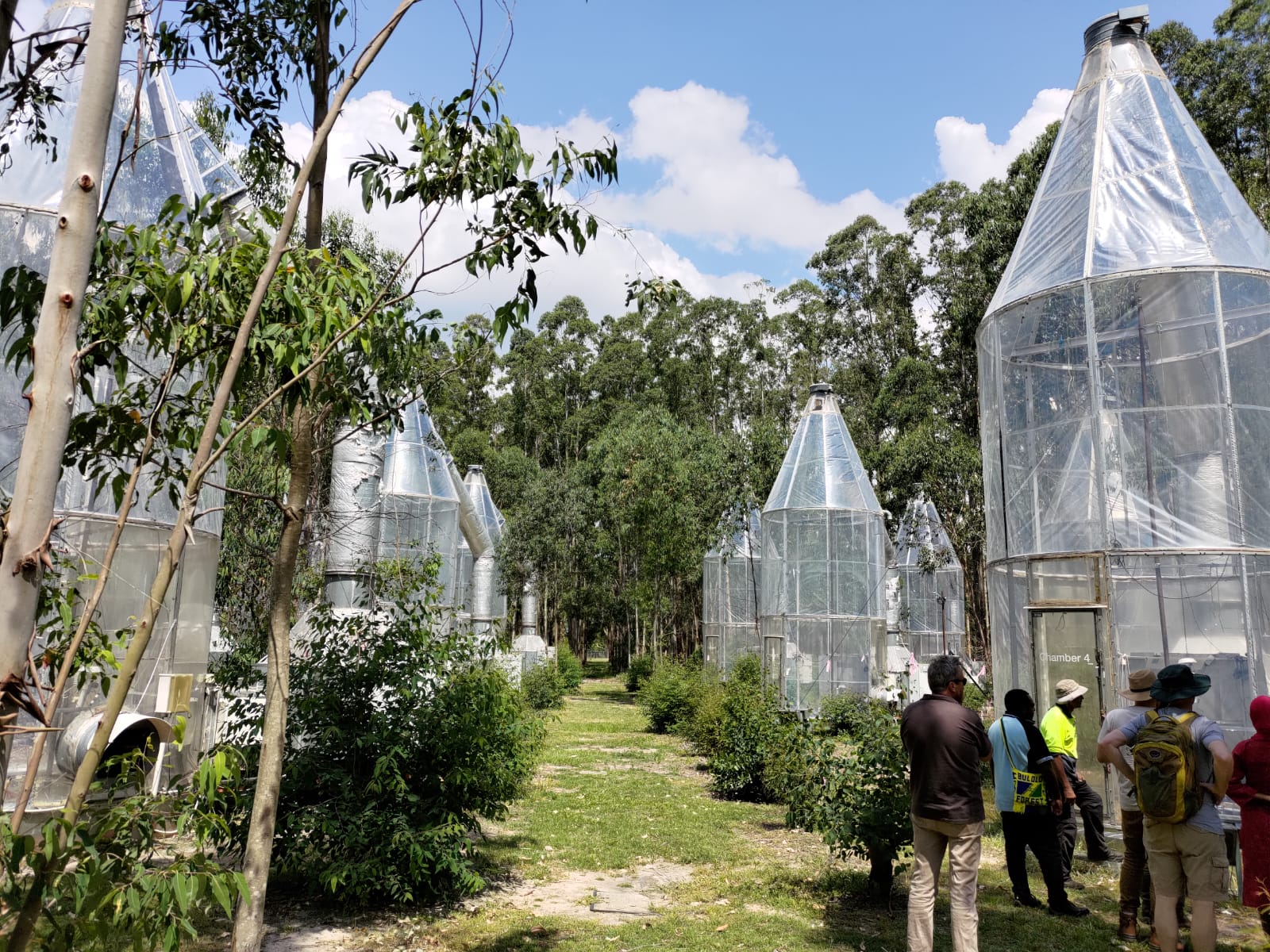
EucFACE Expedition
Visiting EucFACE during SIBS 2023 was unforgettable — the world’s only mature forest CO2 enrichment site! Our hosts from Western Sydney University showed how isotopes reveal how rising CO2 affects soils, plants, and microbes.
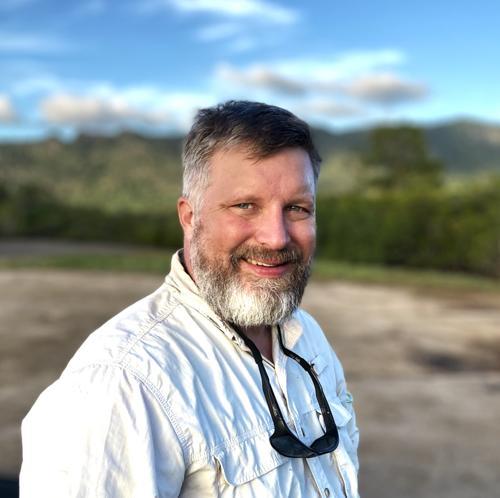
The SIBS workshop is a great setting to learn about isotopes — whether you're a first year PhD candidate or a seasoned post-doc. You learn new methods, the subtlety of this complex and elegant discipline, and you make excellent connections with future colleagues and friends.
by Nathan English, Instructor